James Whitty: From Poverty to Squattocracy, Long Night’s Journey Into Day (c.1811–1882)
Great grandfather to Mark Stephens Whitty
In the burial ground at Milawa, in the foothills of Victoria's King Valley, a headstone marks the grave of a man who left Ireland with nothing and died the owner of one of the district's great pastoral runs. Between those two facts lies a life that later writers would inflate into legend—because James Whitty's name, whether he liked it or not, ended up stitched into the story of the famous Australian outlaw Ned Kelly.
The record of James’ birth is itself unsettled, which seems fitting for a man whose reputation would later be argued over by historians and novelists alike. Family genealogies place his birth around 1812 in County Wexford, the son of James Whitty (1777–1840) and Mary Furlong(e).
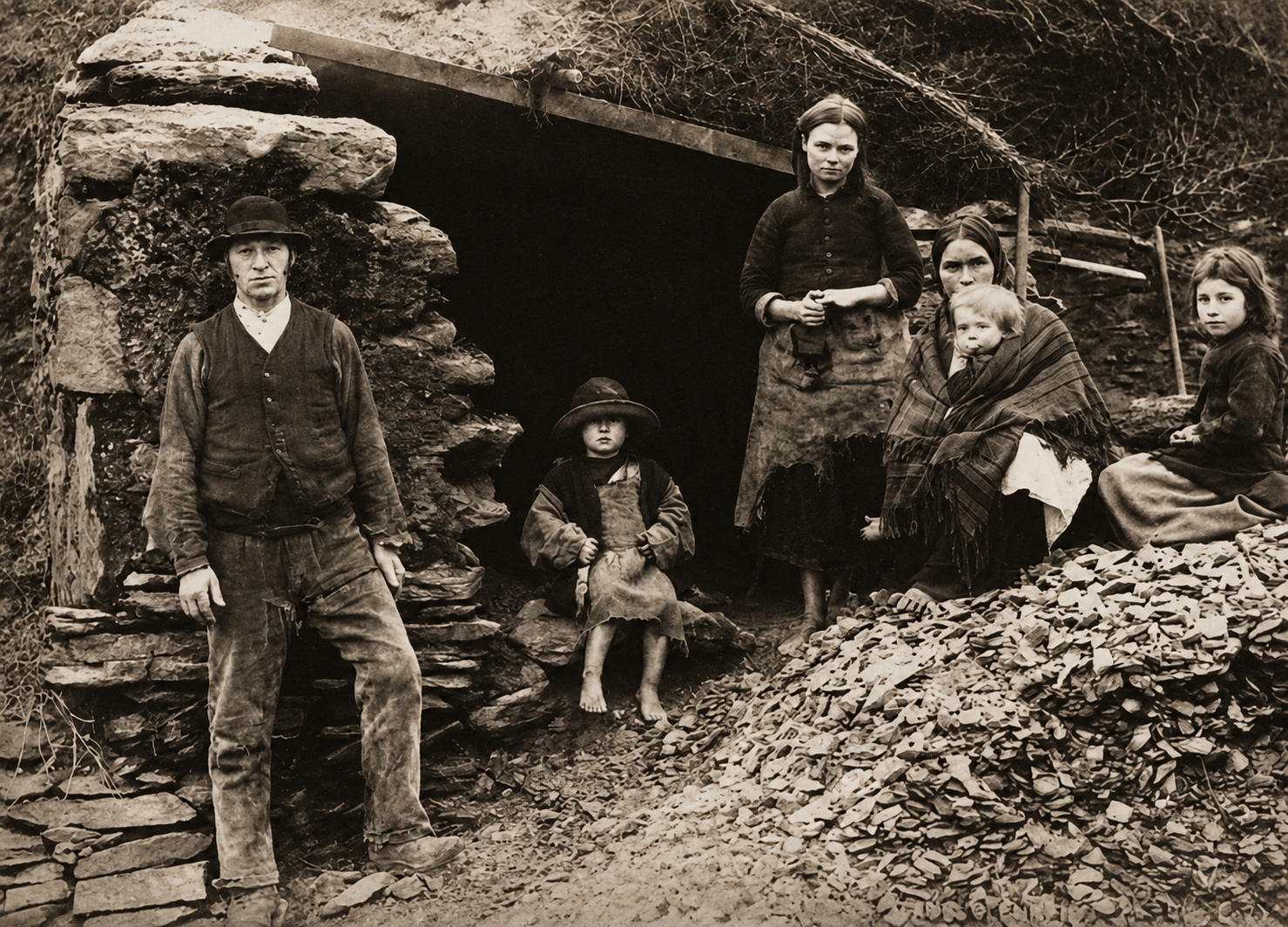
Irish poverty, 19th century.
James was born into a world that was rural, Catholic, largely illiterate, and largely landless. In the hard decades before the Famine, tenant farmers and laborers across the southeast of Ireland lived at the mercy of leases, tithes, weather, harvests, and brutal British colonial policies.
He had at least four siblings—Mark, John Joseph, Mary, and Sarah—and like so many of that generation, none of them were destined to inherit anything resembling security in Ireland itself.
On 10 December 1839 James left the British Isles forever, boarding the bounty ship Coromandel. Their passage to New South Wales was spectacularly grueling, as they weathered six weeks of severe gales in the Bay of Biscay before resupplying at Cape Town. They finally arrived at Sydney on 10 July 1840, after a voyage of two hundred thirteen days—a full seven months aboard.
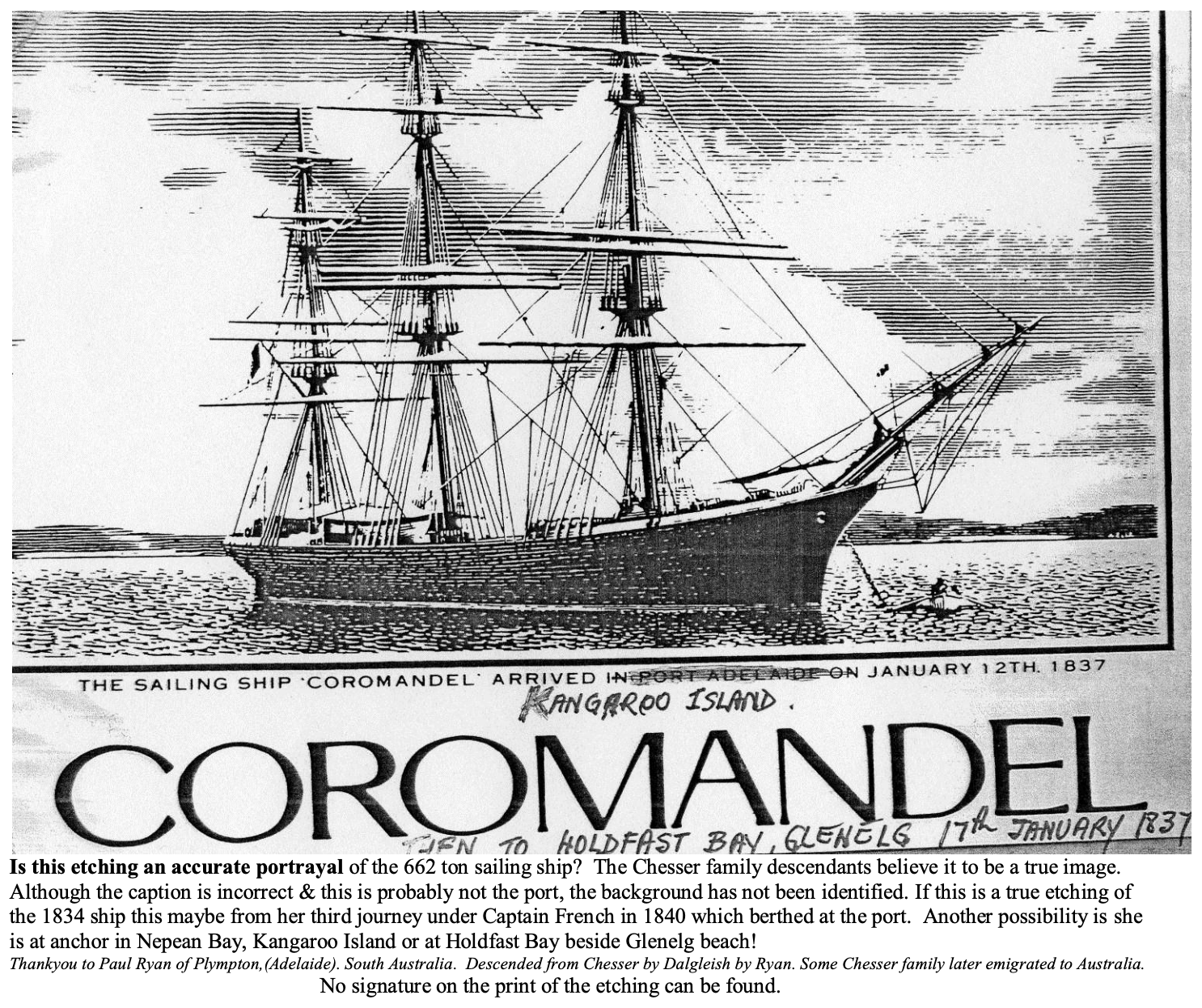
The same ship James sailed to Australia in 1839.
What James did carry out of Ireland, according to the shipping records, was nothing. He left as an assisted immigrant for a bounty of £18. In the ship's manifest he was described as 28 years of age, a laborer, Roman Catholic, and illiterate.
In other words he was exactly the kind of assisted ‘bounty immigrant’ the Australian colonies wanted in 1840—young, able-bodied, and willing to work for a pastoral economy that was desperate for hands.
Nothing in that shipboard description hints at the man he would become.
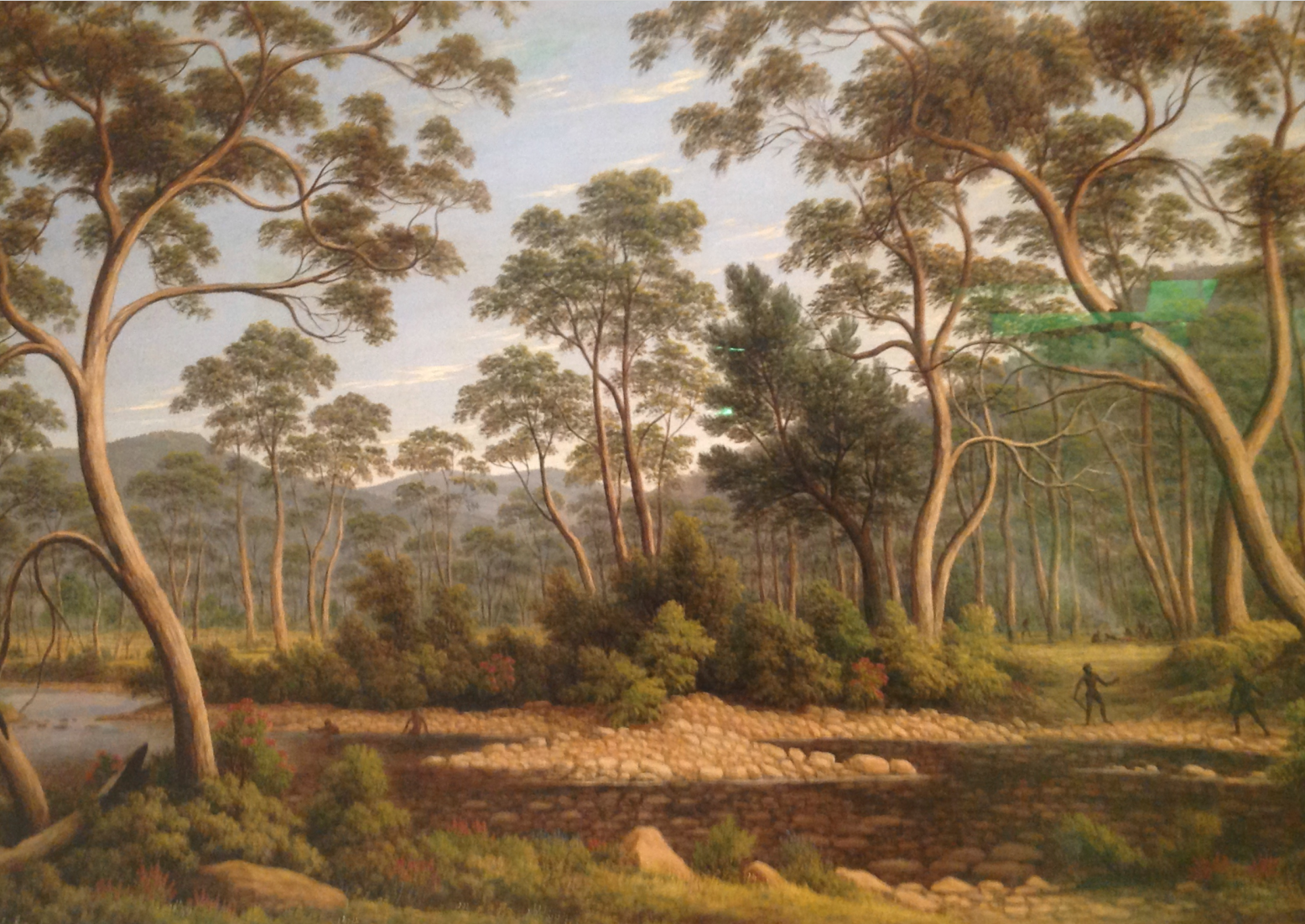
Early Australian landscape painting.
Somehow he made his way Victoria—still administered at that point as the Port Phillip District of New South Wales. From there he labored to do what a great many ambitious Irish laborers of his generation could not do at home: acquire land.
In 1842, two years after arriving—likely after paying off their bounties—James married Catherine Parlin (also spelled Parnell, Parlon, Barton, Parland, and Pearline), an Irish woman who’d emigrated as a bounty immigrant on the same ship as James, though she came from King’s (now Offaly) County, Ireland.
Over the following two decades they moved through a succession of small Victorian farming districts and outstations—Sheep Hills, Kilhatta, Woodstock, Darebin Creek, Coburg, and finally Moyhu, in the King Valley near Wangaratta. It was during these peripatetic years the couple’s family grew to at least ten children, from James Francis in 1844 to Julia Marcella in 1862.
By the 1870s James and Catherine’s land covered 12,000 acres, roughly eighteen square miles of the King River and Boggy Creek country. He eventually took possession of the Myrrhee homestead, formerly held by the pioneering Docker and Clark families—by local account the finest house in his expanding holdings, though he moved into it a widower, Catherine having died a few years before.
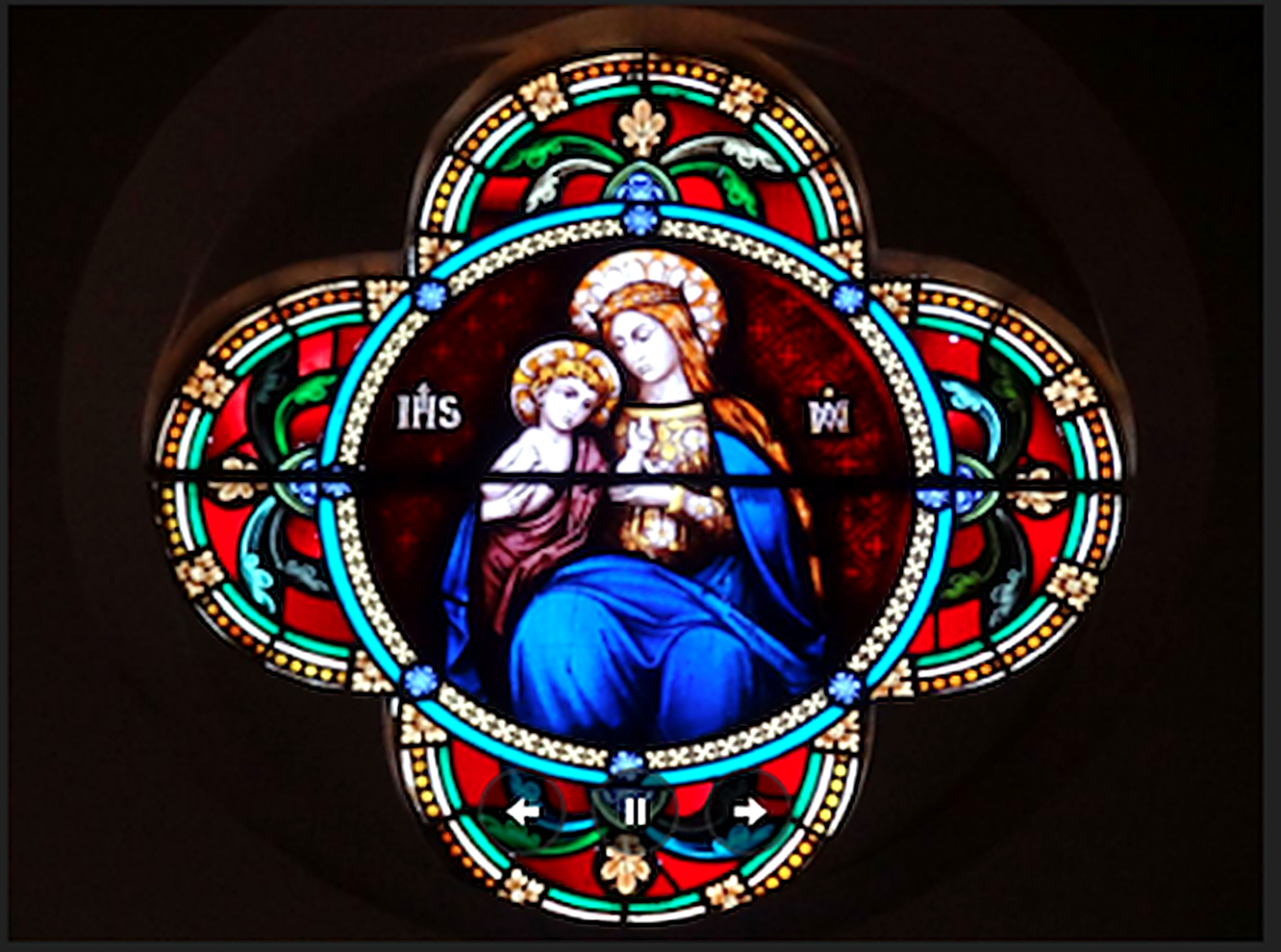
The stained glass Rose Window at Milawa Church that James paid for and dedicated to hsi deceased wife, Catherine.
After Catherine’s death, James joined other local squatters in building a Catholic Church at Moyhu, and he paid for and dedicated the stained-glass Rose window in Catherine’s name.
It was a remarkable rise for an illiterate immigrant laborer of the 1840s: three decades after an assisted passage removed him from a struggling cottage in Wexford to a spectacular homestead in what is now one of the premier vineyard regions of Australia.
None of that pastoral success is what preserved James Whitty's name however. That was due to a feud with his poorer neighbors in the King Valley—the selectors, small farmers, and battlers who resented the grip the squattocracy had on the best land and grazing rights, and who included, among their number, the family of a young man named Ned Kelly.
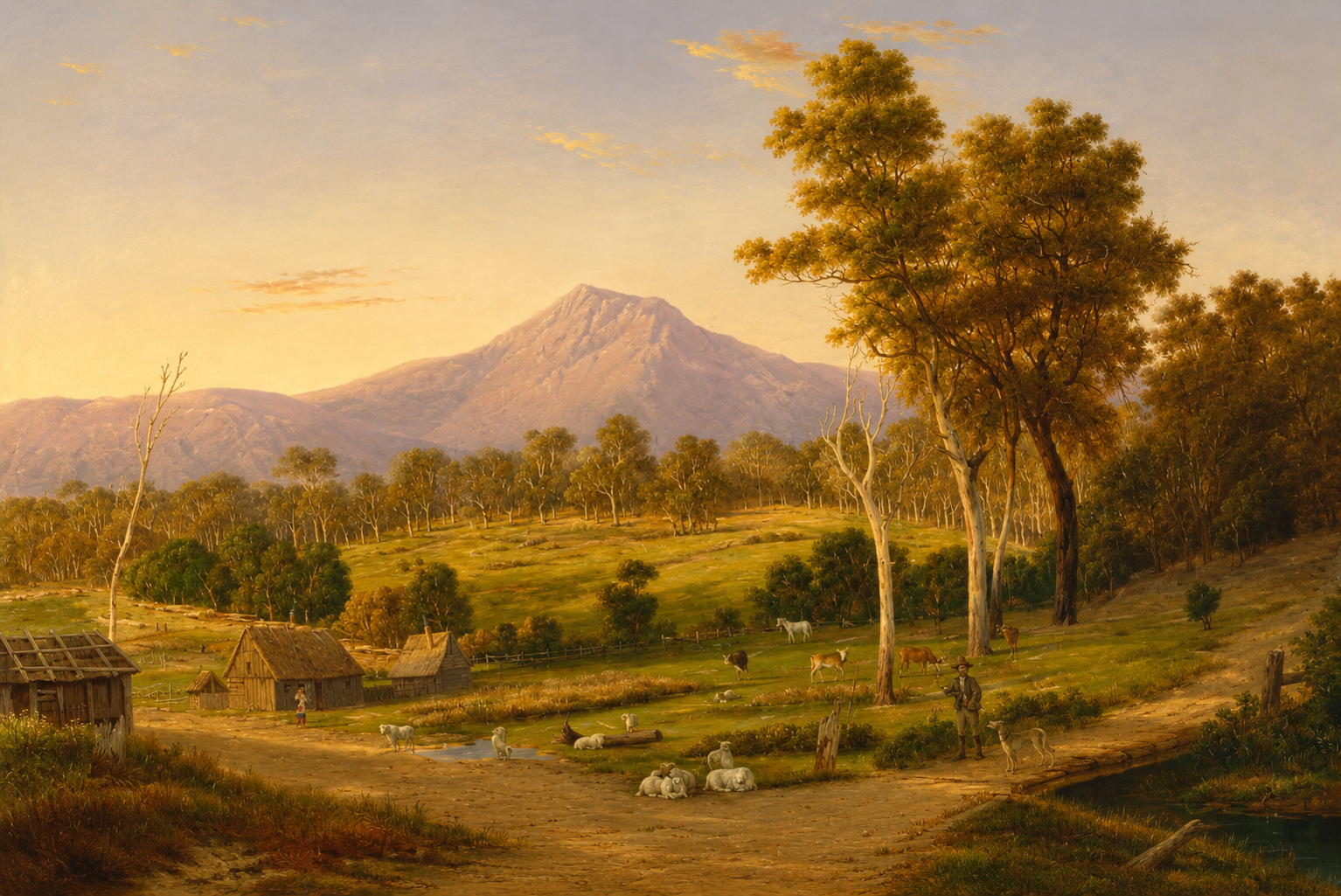
Bush Farm, Victoria, 1876. HL van den Houten.
In February 1877, while at the Moyhu racecourse, James accused Kelly of stealing his prize bull. Kelly said he had merely passed it on to a man named Lydicker. Weeks later, James and his son-in-law accused Kelly of taking a mob of calves as well.
That October, a string of James’ horses turned up at Howlong, sold on by men trading in stolen stock. James later reckoned he had lost some £500 worth of horseflesh in a single year, and suspected, without ever proving it, that Kelly himself was behind the ring.
Ned Kelly's own account, dictated years later in the Cameron and Jerilderie letters, told a mirror-image story: that Whitty and a fellow squatter named James Burns had habitually impounded stock belonging to ‘poor men of the district,’ forcing them to abandon their harvests to redeem their own animals from the pound at Oxley. Kelly claimed the accusations over the bull and the calves were the final insult that pushed him toward large-scale horse theft—to give the squatters, as he put it, something to talk about.
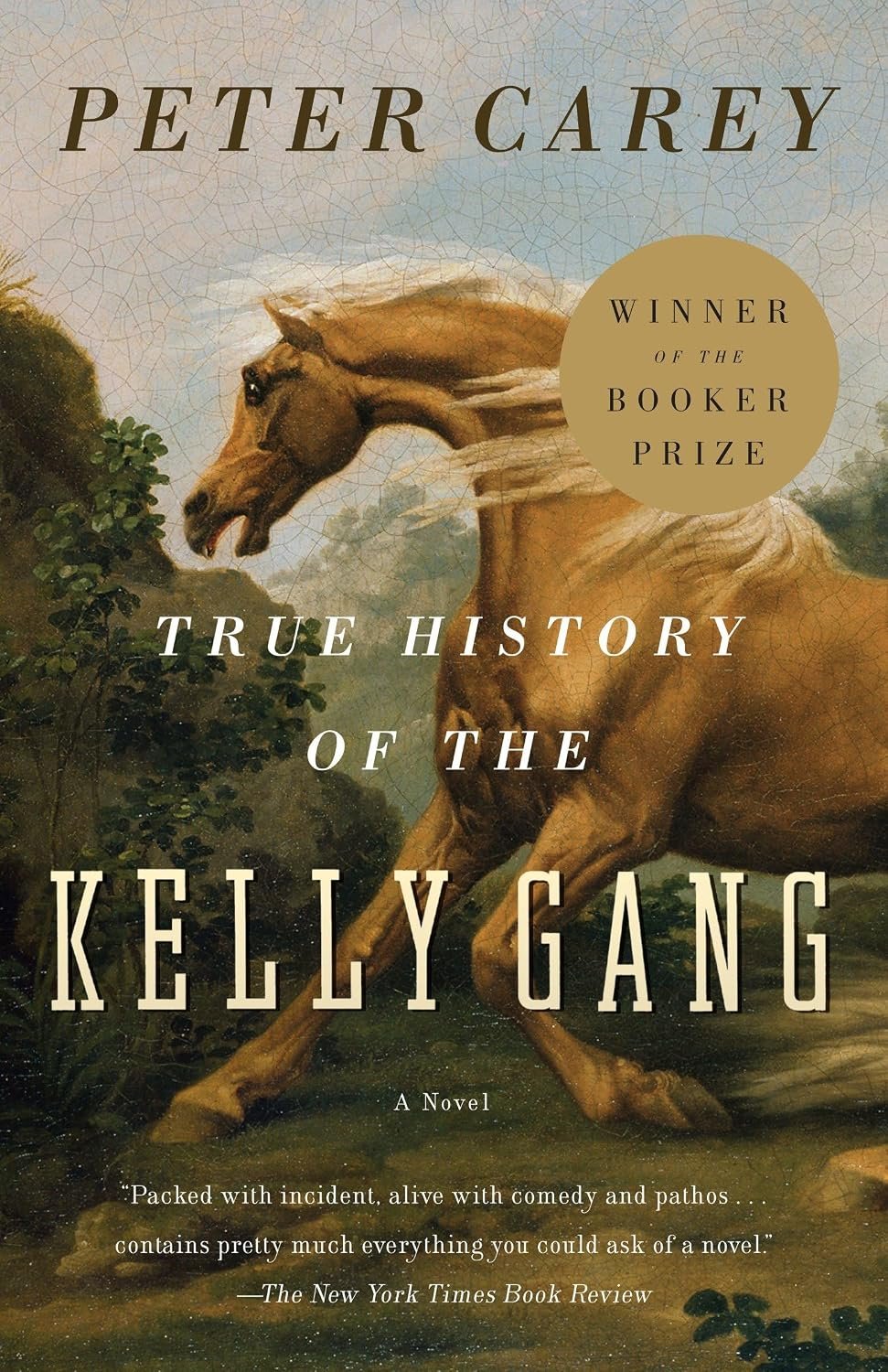
That single half-remembered clash at the Moyhu racecourse became, in the twentieth century, the seed of a much bigger story. Screenwriter-historian Ian Jones cast Whitty as the ‘dour and implacable’ leader of the King Valley squatters and Ned Kelly's personal nemesis. Peter Carey, borrowing Jones's research for his Booker Prize–winning novel True History of the Kelly Gang, went further still, imagining Whitty striking a devil's bargain to build his fortune.
Later researchers have pushed back hard on that portrait, pointing out that James Whitty was in fact only a rank-and-file committee member, not the president of the district's Stock Protection League. Far grander landholders than he, men like Andrew Byrne, had a stronger claim to be called the King Valley's leading squatter. On this reading, James Whitty was less a villain out of Dickens than an ordinary, hard-driving colonial grazier who happened to have his name written into a young bushranger's list of grievances—and paid for it in reputation for a century afterward.
Whatever the truth of his role in the Kelly saga, James Whitty lived to know of Ned Kelly's execution in Melbourne on 11 November 1880, at age twenty-five.
James himself died at Moyhu on 11 July 1882 and was buried at Milawa Cemetery beside Catherine. What he left behind was not a legend so much as a paradox: an Irish Catholic laborer's son, born into a tenant class with no land of its own, who crossed the world and became, in the eyes of his poorer neighbors, exactly the kind of landed power his own family had spent generations trying to escape.
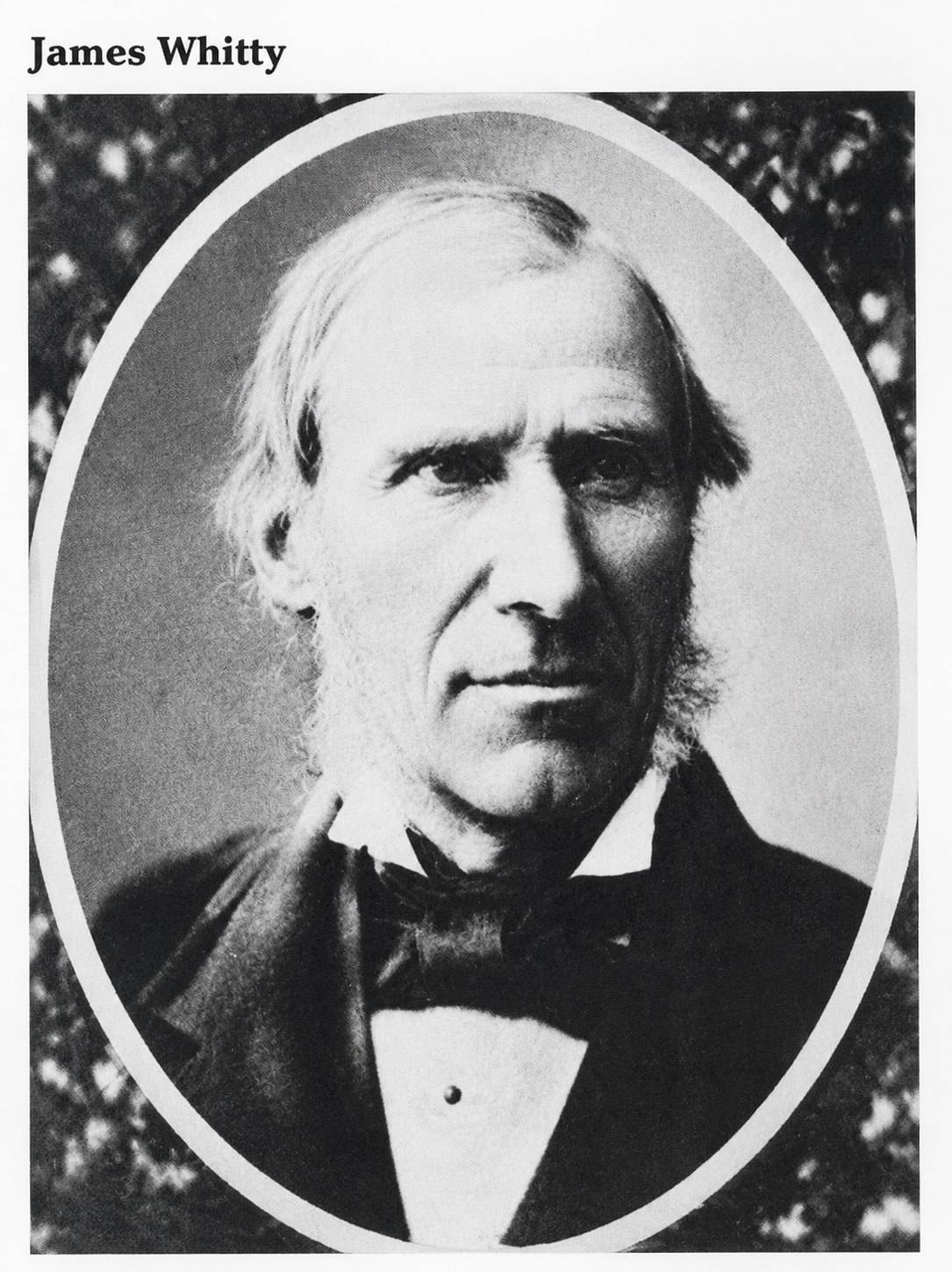
James Whitty, circa 1860 (?).