Helena Charlotte Eates: A Life Cut Short on the Indian Railways (1881–1906)
Grandmother to Patience Jewell Whitty
Helena Charlotte Eates was born on 15 December 1881 in Asansol in the Bengal Presidency—already by then one of the great junction towns of the East Indian Railway. Asansol was where the line up from Calcutta split toward Delhi in one direction and the coalfields of Raniganj and Jharia in the other.
Almost from nothing, Asansol had grown into a railway colony: engine sheds, workshops, a European and Anglo-Indian ‘Institute’ for the staff (opened in 1878, and still known locally, in the clipped slang of the community, as the ‘Inster’). To be born there in 1881 was to be born into a very particular world—neither wholly British nor wholly Indian, organized instead around timetables, postings, and the rhythms of the line.
Helena's father, George James Eates, grandson of the original European progenitor of the surname in India, William Eate, worked for the East India Railway as a Driver at the time of Helena’s birth. Her eleven siblings' birthplaces read like a gazetteer of the East Indian and North Western railway network: Aligarh, Tundla, Asansol…
That pattern of scattered births in railway junction towns is the classic signature of an Anglo-Indian family in railway service in this period, moved from posting to posting as the line and its workshops expanded. Because 18th-century regulations (like Cornwallis's rules) prohibited ‘domiciled Europeans’ and Anglo-Indians from owning property, the state and railway companies compromised by providing housing for their subordinate staff.
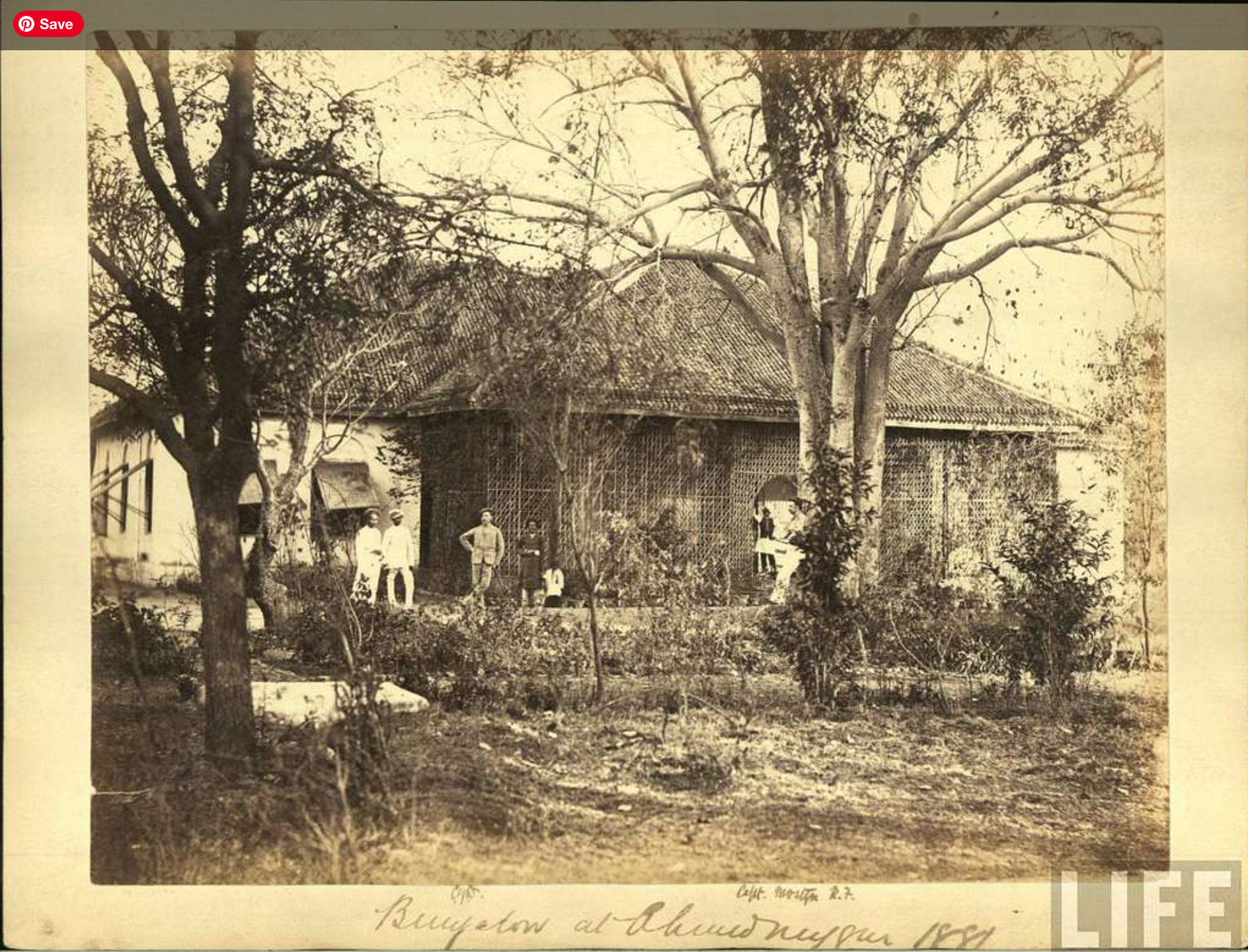
A railway colony bungalow, 1881, India.
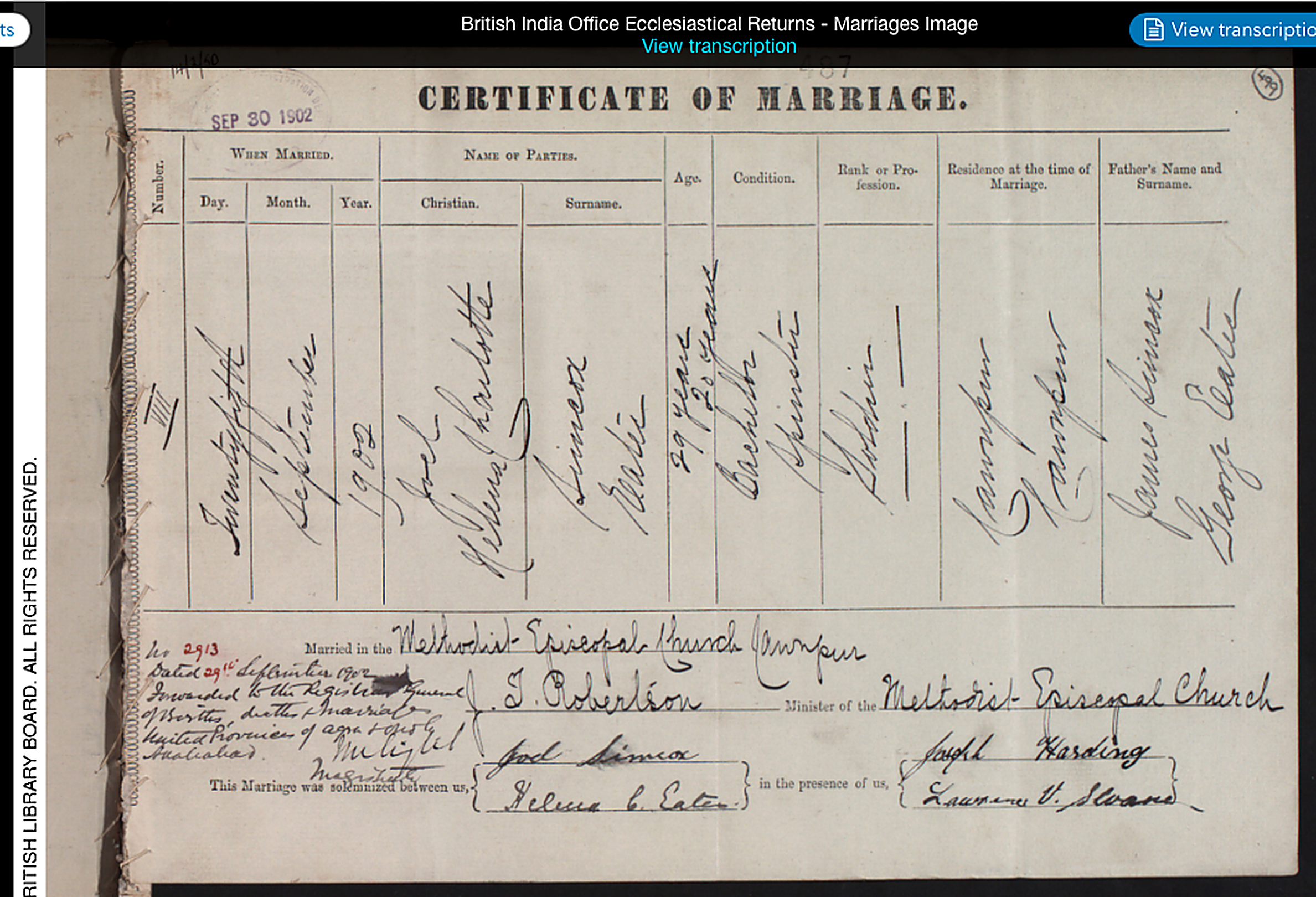
On 30 September 1902 Helena married Joel Simcox in Cawnpore (Kanpur), a major railway link on the East India Railway and also a major military cantonment and garrison for the North Staffordshire Regiment, specifically for its 1st Battalion.
Joel was an Englishman born in 1873 in an area of Staffordshire known as The Potteries. This was where England produced much of its ceramics and porcelain and was a region notorious for its intense air pollution, a by-product of the huge, coal-fired kilns that crowded the towns.
Joel worked in the potteries from a young age, as did everyone in his family. But shortly after the death of his father he enlisted in the 1st Battalion of the North Staffordshire Regiment and soon found himself at war, first in Egypt, then in India, fighting several campaigns, and eventually ending up in Cawnpore.
Five months after their marriage Helena gave birth to a daughter, Julia Mary Simcox, on 19 March 1903 in Asansol.
Did this shotgun wedding play a part in the later tragic events?
Nearly three years after their first child, in January 1906, a second child arrived—a son, Arnold, born on the 17th of that month. He lived one day, dying on 18 January 1906.
Helena Charlotte Eates died sometime around the death of their son, possibly on the same day. Sadly her death and burial records are lost—or were purposely destroyed. According to the family story carried down from Helena and Joel’s daughter, Julia, sometime in 1906 Joel murdered Helena as well as the baby Arnold. Helena was twenty-four years old.
At the time of the murders Joel’s term of enlistment had lapsed and he was working for the East India Railway, a job likely facilitated at least in part by his father-in-law. According to the family story, the North Staffordshire Regiment stepped up and spirited Joel away—it’s not known where—so he would not face charges in India. They also, so the story goes, erased all notices of Helena’s death.
No records indicate Joel’s whereabouts for a decade, either in India or Britain. Then in 1916, ten years after the murders, he married again, to an Englishwoman living in a workhouse with her daughter in Tynemouth, Northumberland, England. Joel continued to live and work there until he died, aged sixty-one, in 1935.
Helena and Joel’s daughter, Julia Mary Simcox, three years old and suddenly without either parent, was raised and educated at the Woodstock School in Mussoorie, in the hill country north of Delhi. It’s not known how this was paid for. Julia liked to believe it was by her father. Even late in her life she continued to seek Joel, mistakenly coming to believe that he was Irish and living in Ireland.
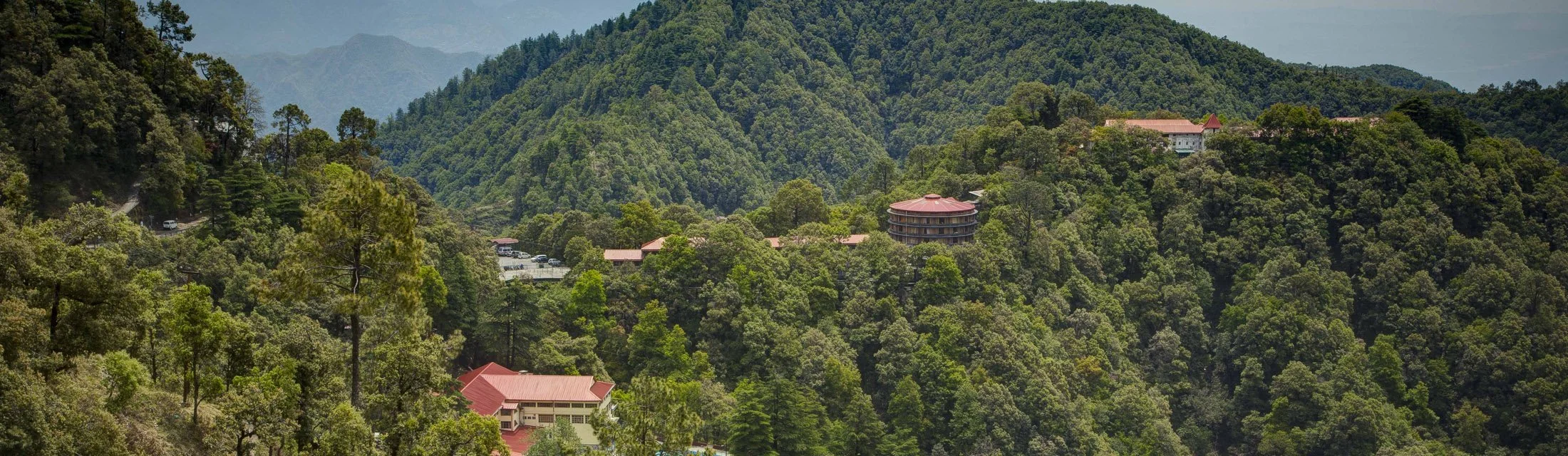
The Woodstock School still operating in Mussoorie, India.
Woodstock School was and is the oldest international boarding school in Asia. Like Asansol, it was a fixture of Anglo-Indian institutional life in the early 20th ccentury, the kind of boarding school that absorbed the children of railway and service families when a household could no longer hold together. In Julia’s case the school nurtured her when no one else was available. And yet the effects of this murder would ripple down the family for generations.
So many questions remain unanswered. Why did Joel kill Helena and their son? Was Arnold possibly, obviously not his? Was Joel, a soldier for nearly a decade, suffering from PTSD, a condition not understood in those days? Was he drunk? Or was he simply a violent man?
All that survives of Helena's stolen life is a baptism record, a marriage record, icluding her signature, two children, and her descendants, including her line of mitochondrial DNA. The story, whispered from generation to generation, lives on in memory and in the family’s epigenetics.

Perhaps some of Helena’s story could be found in the records here.